
It was our last day in Beijing.
Beijing captured the spirit of China impeccably with ancient palaces, temples, the Hutong area with beautiful modern buildings like Birds Nest stadium. Beijing is home to some of the most iconic and famous landmarks, including the Great Wall. It is ancient yet modern and traditional yet vibrant; at the same time. It is a rapidly growing modern city. Beijing offers a remarkable collection of classic and culturally aesthetic areas, perfect for history connoisseurs and culture enthusiasts. There is so much to explore. We had only three days. I felt pretty sad that I had to leave this city. I probably won’t get a chance to return.
The hotel was kind enough to let us check out late as our bullet train to Luoyang was scheduled at 5.30 pm.
We wasted no time and took advantage of the extra hours roaming around the surrounding areas of our hotel for one last time. Chinese people like to have different types of soups at different times of the day. They run temporary soup stalls for a couple of hours in the vast shopping centre car park. The soup stalls changed from breakfast to the lunch menu when we came out of the little shopping centre. We thoroughly soaked into the atmosphere talking to people in the sign language. It was nearly 2 PM. So time to leave and travel to Luoyang (starting point of one of the ancient Silk routes) by bullet train.
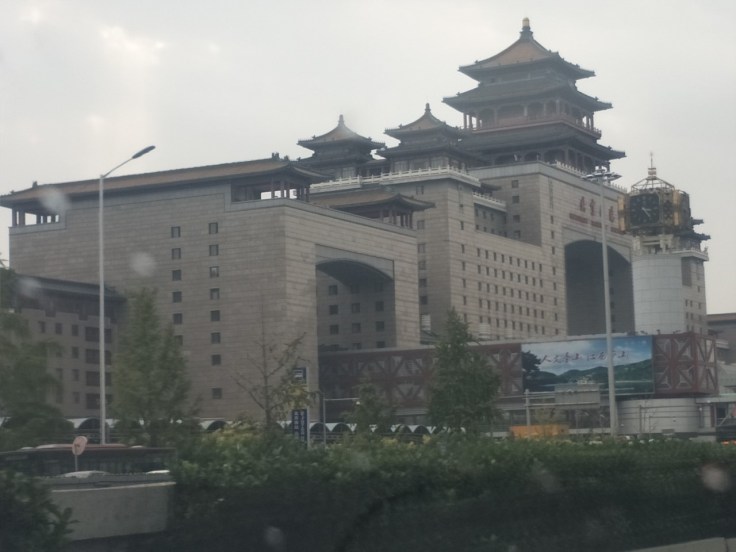
The way they ride on the train was very systematic. Tristan helped us getting our tickets from Beijing West station, and he showed us the board displaying our waiting room number. I asked him why they weren’t showing the platform number instead.
He explained, ‘there are so many people in China catching the trains every day; this is the best possible way to control the flow. You need to wait in the specified waiting rooms (so many of them) for convenience. Inside the waiting rooms, you will see the display of 2 or 3 trains with the platform number within 3 hours inside. So, it is easier for the passenger to catch the right trains in 2 steps.’ The bullet trains in China are very similar to Japanese bullet trains. The Chinese are proud of their Bullet trains.
We reached Luoyang around 9.30 pm. I must mention the friendly gentleman who came to pick us up from the station. He tried his best to make us happy, and since he couldn’t speak English, he continued asking questions via his Apple Siri translation service. He wanted to show off his town tomorrow. Interaction with the local people in this way was priceless and an authentic experience in China.
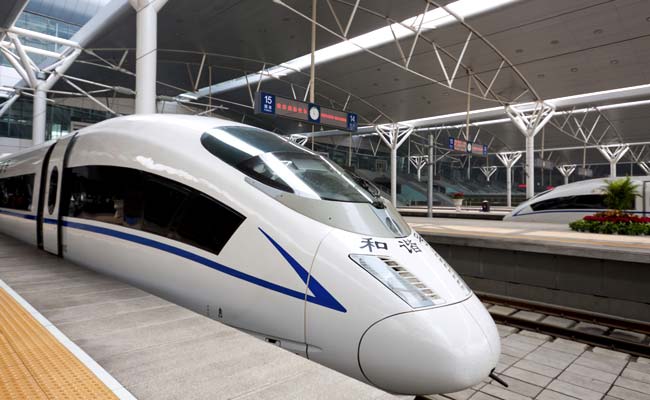
Bullet Train
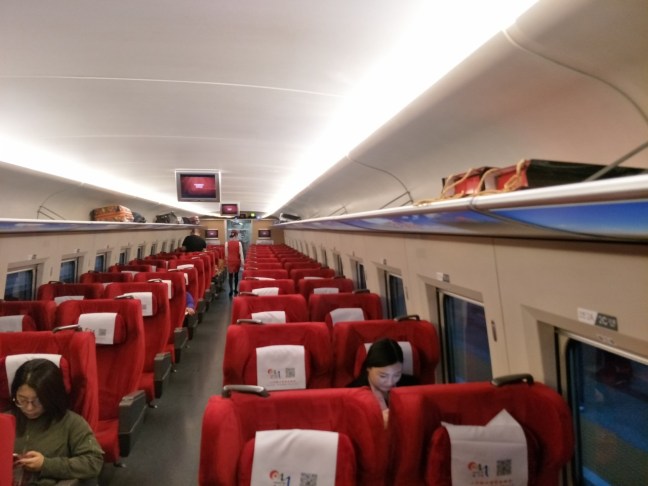
 callofthefar.com
Leave a Comment